With Crypto Launchpads, investors can discover fresh opportunities before the broader public. Before a cryptocurrency may theoretically travel to the moon, it must first get off the ground. That’s where cryptocurrency launchpads come in.
However, how can a brand-new coin or token stand out among the many that already exist? That’s just one side. Another is that there has always been danger and potential when investing in early-stage cryptocurrency projects. This article is about all of these.
What Are Crypto Launchpads?
Crypto launchpads are the Web3 equivalent of crowdfunding. They enable project entrepreneurs to raise funds from ordinary investors globally. This occurs via smart contracts, in which coins are produced and distributed directly to investors.
In exchange for their support, investors are granted early access to the project’s tokens, typically before they are launched on public exchanges. It enables anyone to fund early-stage Web3 projects without relying on private VC rounds or insider access.
What Are the Different Types of Crypto Launchpads?
Crypto launchpads are divided into two categories: centralized and decentralized. Within these categories, you’ll discover launchpads dedicated to certain specializations, like as gaming, DeFi, and NFTs.
1. Centralized Launchpads
These are administered by a corporation or exchange that usually adheres to regulatory laws; examples include Binance Launchpad and KuCoin Spotlight.
While they attract a lot of media attention and frequently feature well-known projects, they also contain private rounds and tiered access schemes.
That means that small investors receive the short end of the stick, as they pay a higher price for tokens, lowering their chances of making a good return on their investment.
2. Decentralized Launchpads
These platforms use smart contracts to eliminate the need for middlemen. Launchpads such as Polkastarter and DAO Maker employ blockchain technology to conduct transparent sales. Investors can typically join using only a Web3 wallet and stablecoins.
The open-access strategy provides a better possibility of purchasing tokens at early-stage rates, with fewer gatekeepers.
3. Niche Launchpads
Some platforms focus on specific Web3 verticals. For example:
- GameFi Launchpads mostly focus on blockchain gaming.
- DeFi Launchpads provide financial infrastructure tools.
- NFT Launchpads focus on collectible and utility-based NFT projects.
Fundraising Types on Launchpads
- IEO (Initial Exchange Offering): IEOs (Initial Exchange Offerings) are hosted on centralized exchanges such as Binance. The exchange manages the sale and listing.
- IDO (Initial DEX Offering): These are conducted on decentralized launchpads and settled using smart contracts on DEXs such as Uniswap or PancakeSwap.
- ICO (Initial Coin Offering): An older fundraising method carried out directly by the project team. ICOs are rarely hosted on launchpads and are seen as riskier due to the lack of third-party oversight.
How Do Crypto Launchpads Work?
Crypto launchpads have a straightforward flow. First, they pick and analyze initiatives using a process known as vetting. The platform hosts either an IDO or an IEO. Following that, they market the project to potential investors.
Tokens are produced during the Token Generation Event and made available for purchase by investors. Investors purchase the tokens, and the project receives the necessary financing to carry forward.
That is the basis. What is actually important is how nicely each stage is executed. Crypto launchpads perform differently depending on the platform; however, they often provide the following:
1. Project Vetting and Whitelisting
One of the most significant parts of crypto launchpads is that they assess projects before enabling investors to view them. While you must still examine the launchpad and conduct your own due diligence, this screening effectively adds an extra layer of security to investors.
Launchpads, on the other hand, make it easier for investors to apply to participate in an initial offering through whitelisting. This whitelisting may include compliance checks, such as adhering to Know Your Customer (KYC) regulations, while other launchpads may provide more privacy.
2. Token Sale Structure
In addition to providing safeguards surrounding the projects and investors who can participate on their platforms, launchpads frequently support token sales structures. This structure may incorporate allocation tiers, such as allowing sales depending on staking or lottery systems.
Some launchpads even have their own currency, such as DAO tokens, which investors must stake to participate in subsequent launches.
Launchpads can also provide vesting schedules and token lock-up periods for project founders, providing early investors with some stability rather than allowing them to sell their investments immediately after launch.
3. Integration with DEXs and CEXs
Launchpads are frequently used for IDOs and IEOs, thanks to their integration with decentralized exchanges (DEXs) or centralized exchanges (CEXs).
For example, platforms like Uniswap can permit early sales while feeding into DEXs, allowing investors to get liquidity rather than investing in crypto that cannot be traded elsewhere.
In addition, some exchanges, such as Binance Launchpad, have their own integrated launchpads from which new offerings are posted on the exchange.
Similarly, the top crypto launchpads tend to collaborate with popular crypto wallets and provide bridging tools, allowing whatever you invest in to quickly connect to the larger crypto ecosystem you’re familiar with.
What Are the Risks of Using Crypto Launchpads?
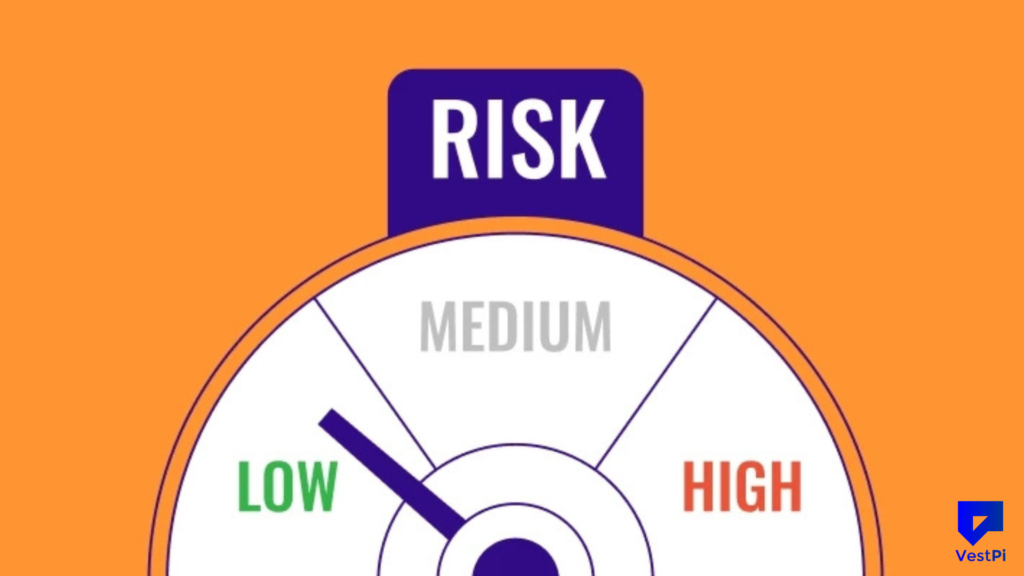
While crypto launchpads contain safety procedures and mark a shift in how we invest in cryptocurrency, they are nonetheless risky. A project’s listing on a launchpad does not ensure its success or safety.
That’s why it’s critical to understand the dangers that still exist and how to manage them effectively. Some of the most common dangers are:
1. Project Quality and Due Diligence
All launchpads have some level of verification; however, how that due diligence is carried out varies depending on the platform’s reputation and standards.
2. Tokenomics and Sustainability
One of the most important aspects of beginning a cryptocurrency project is managing the inflation rate and ensuring that value is sustained over time.
3. Smart Contract Risk
Even refundable sales rely on smart contracts. If a contract is improperly worded or has not been audited, users may lose their money. That’s why contract quality is critical.
4. Market Conditions
Projects must be linked with the present market conditions; always have that at the back of your mind.
5. Overhype and Misinformation
Investors can get into FOMO traps focused on marketing rather than true facts. This can be difficult because involvement propels Web3, but it’s also critical to examine the team behind the project and understand what and how they’re creating.
How To Choose the Right Crypto Launchpad
Perform due diligence on the launchpad’s reputation, the projects it has previously launched, and how those projects have fared over time.
Also, check to see if they’ve launched any projects that interest you. Finally, think about how you interact with the platform. You want to use a platform that provides both a selection of projects with high ROI potential and an excellent user experience.
Are Crypto Launchpads Worth It?
Indeed. In particular, decentralized launchpads that host IDOs are an excellent way for small investors to enjoy greater returns. They strike a creative balance between ROI and safety, reflecting the evolution of Web3.
In conclusion, there is a risk associated with all investments, including launchpads. However, they protect small investors while providing a carefully chosen range of early-stage ventures with a better potential return than the majority of traditional financing options. Be cautious and do your homework.