Looking to bridge ETH to Base? Gas prices on Ethereum, however, range from 3 to nearly 100 Gwei. Meanwhile, Base constantly offers transactions for roughly 0.05 Gwei. Base has emerged as one of the Ethereum ecosystem’s fastest-growing Layer-2 blockchains, catering to consumers looking for faster, cheaper transactions.
Base combines inexpensive pricing, fast speeds, and reliable security. Whether you’re trading tokens, minting NFTs, or creating dApps, Base’s fast-expanding ecosystem provides exciting prospects.
To begin utilizing Base, you must bridge your coins (ETH, USDC, etc.) from the Ethereum mainnet or any other L2 where you currently hold them. Using certain tools, you may complete this transfer in just 2 seconds and for very low prices.
This tutorial provides comprehensive information about bridging from Ethereum to Base, including the ecosystem, benefits, and step-by-step methods.
What is Base?
Base is Coinbase’s Layer-2 scaling solution, based on the Optimism OP Stack. Since its introduction in August 2023, Base has experienced exponential growth:
- Account numbers increased from 2.9 million to over 101 million by 2024.
- Transactions rose from 82 million to 1.3 billion.
- Verified smart contracts increased from 67,000 to over 1 million.
This development is aided by Base’s fundamental features:
- Low-Cost: Base’s average gas charge of 0.05 Gwei is significantly lower than Ethereum’s mainnet, which peaked at 100 Gwei in 2024.
- High-Speed: Consistent 2-second block times assure fast transaction processing.
- Robust Security: Uses optimistic rollups to combine Ethereum’s security with L2 scalability.
- Full EVM compatibility: Enables the easy deployment of Ethereum-based apps.
With $3.8 billion in Total Value Locked (TVL), Base is a key actor in the Ethereum scaling ecosystem. To take advantage of these benefits, however, you must first bridge your assets from the Ethereum mainnet.
Base’s Growing Ecosystem
Base’s lively ecosystem is a crucial selling factor, alongside its innovation and expanding popularity. With its developer-friendly infrastructure and community-driven focus, Base’s Layer-2 environment is an appealing location for both users and developers. Some notable projects include:
- Friend.tech: This is a decentralized social network that allows members to monetize their communities using tokenized private chat access.
- Seamless: This is a Base-native decentralized lending and borrowing mechanism.
- Aerodrome: This is Base’s central trading and liquidity marketplace, which facilitates governance, incentives, and efficient trading via its AMM.
- Base God (TYBG): This is a spoof meme project that captures Base’s lighthearted yet impactful attitude, complete with metaverse events and a flourishing community.
Growing Opportunities
Beyond the well-known initiatives, Base provides a continually expanding array of unique opportunities for traders and enthusiasts to capitalize on.
- Innovative Campaigns: Base’s “Onchain Summer” promoted its ecosystem, displaying anything from interactive NFTs to experimental dApps. It was more than simply a marketing event; it was a preview of Base’s future potential as a creative hub.
- Memecoins: Base has quickly become a hub for memecoins. With new coins being introduced on a daily basis, the network is increasing liquidity and bringing users together over shared enthusiasm and comedy.
- Future Ready Ecosystem: With DeFi expanding and new projects on the horizon, Base is poised for long-term success. Developers and users alike are flocking to the L2 to create and test novel use cases in gaming, tokenomics, and other areas.
How to Bridge from ETH to Base?
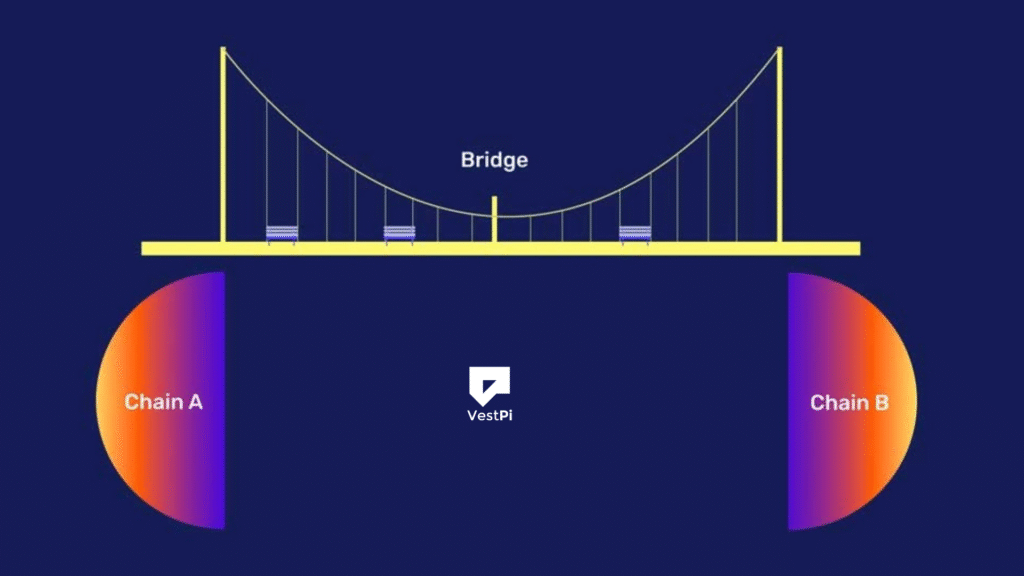
To bridge to Base, first add the Base Mainnet RPC information to your wallet client. To add Base RPC details to your client, go to Chainlist, link your wallet, and allow it.
Once your wallet supports the Base network, you’ll be able to bridge assets to the platform. Despite the fact that the platform is still in its early stages, there are numerous methods for integrating assets into the ecosystem.
After bridging your assets, you can check your balance in your wallet or by looking up your address on a Base mainnet explorer. Here, we’ll explore three of the most prevalent approaches.
1. Using the Official Base Bridge
The official Base bridge is currently by far the most popular method for transporting assets to and from Base. Currently, the bridge only handles transfers between Ethereum and Base.
Go to the Base Bridge website and select the ‘Deposit’ option.
From here, click the ‘Connect wallet’ button and choose your wallet from the available selections. Follow the instructions on your wallet to connect it to the bridge.
Once connected, you’re ready to make a deposit. Choose the asset you want to bridge from the drop-down menu, then enter the amount you wish to shift in the ‘Amount’ area.
When you’re ready, click the ‘Deposit’ button to complete the transaction in your connected wallet. You will have to pay a gas fee. Once the deposit has been made on-chain, the asset will be reflected in your base chain balance.
2. Use Orbiter Finance
Orbiter is a common multi-chain bridge developed for layer-2s, including Base. The platform supports over a dozen Ethereum L2s, including Optimism, Mantle, and zkSync Era.
To start using Orbiter, go to the platform and click the ‘Connect a Wallet’ option. Follow the steps in your wallet to link it to the platform; this is the wallet that will send and receive the asset (on the origin chain and subsequently the Base chain).
Once connected, pick the origin chain in the ‘From’ area, Base in the ‘To’ part, and enter the amount to bridge.
Right now, Orbiter only supports bridging Ether (ETH), so there is no need to change the asset. Afterwards, Orbiter may open support for other assets.
We’ve chosen to bridge from Ethereum to Base. When you’re ready, click the ‘Send’ button. This will display an overview of the fees.
If everything looks good, click the ‘Confirm and Send’ button to start the transfer. This will open the transaction in your wallet, where you may then confirm.
Once the transaction is completed, the amount stated in the ‘Received’ part of the confirmation page will be available in your associated Base chain wallet.
3. Use the Portal Bridge
Portal (by Wormhole) was one of the first third-party bridges to enable Base transfers. It also supports over 20 more layer-1 and layer-2 chains.
Note: Only utilize the Portal bridge if you already have native ETH in your Base wallet. To claim your bridged tokens (usually wrapped assets), pay gas fees on Base.
To begin using Portal, navigate to the platform and pick the chain you want to bridge assets from in the source field.
Next, click the ‘Connect’ button and choose your wallet from the available selections. Follow the on-screen instructions to connect the wallet containing the funds you wish to bridge.
You can then select the asset to bridge from the ‘Select an asset’ drop-down option.
After selecting an asset, enter the amount you want to bridge in the ‘Amount’ field and click ‘Next’ to move on to the next stage.
You will then be prompted to switch to the Base mainnet in your connected wallet. Approve the network switch and then click the ‘Next’ button. You will be prompted to return to the originating network.
To initiate the deposit, click the ‘Transfer’ option. Confirm this in your connected wallet, and Portal will monitor the bridge procedure and tell you when it is completed. Once your funds have been successfully bridged, you can proceed to the last step of redeeming your tokens.
Why Bridge to Base L2?
The choice to bridge to Base is supported by convincing statistics for 2024. While Ethereum mainnet gas fees fluctuated drastically, hitting heights of 100 Gwei, Base’s gas fees remained stable at 0.05 Gwei throughout the year. Because of this significant cost differential, users can complete transactions for pennies rather than dollars.
Base’s growth trajectory is equally outstanding. Starting in 2024 with 2.9 million accounts and ending with over 101 million highlights the network’s growing reach. Transaction volume followed a similar path, increasing from 82 million to 1.3 billion during the year. This increase is more than simply numbers; it reflects genuine consumers discovering value in Base’s ecosystem.
Speed is another important factor. Base’s regular 2-second block intervals allow for faster transaction processing, but Ethereum mainnet’s varied block times can result in longer waits. When combined with $3.8 billion in Total Value Locked (TVL), these figures reveal a mature, efficient network that is ready for widespread deployment.