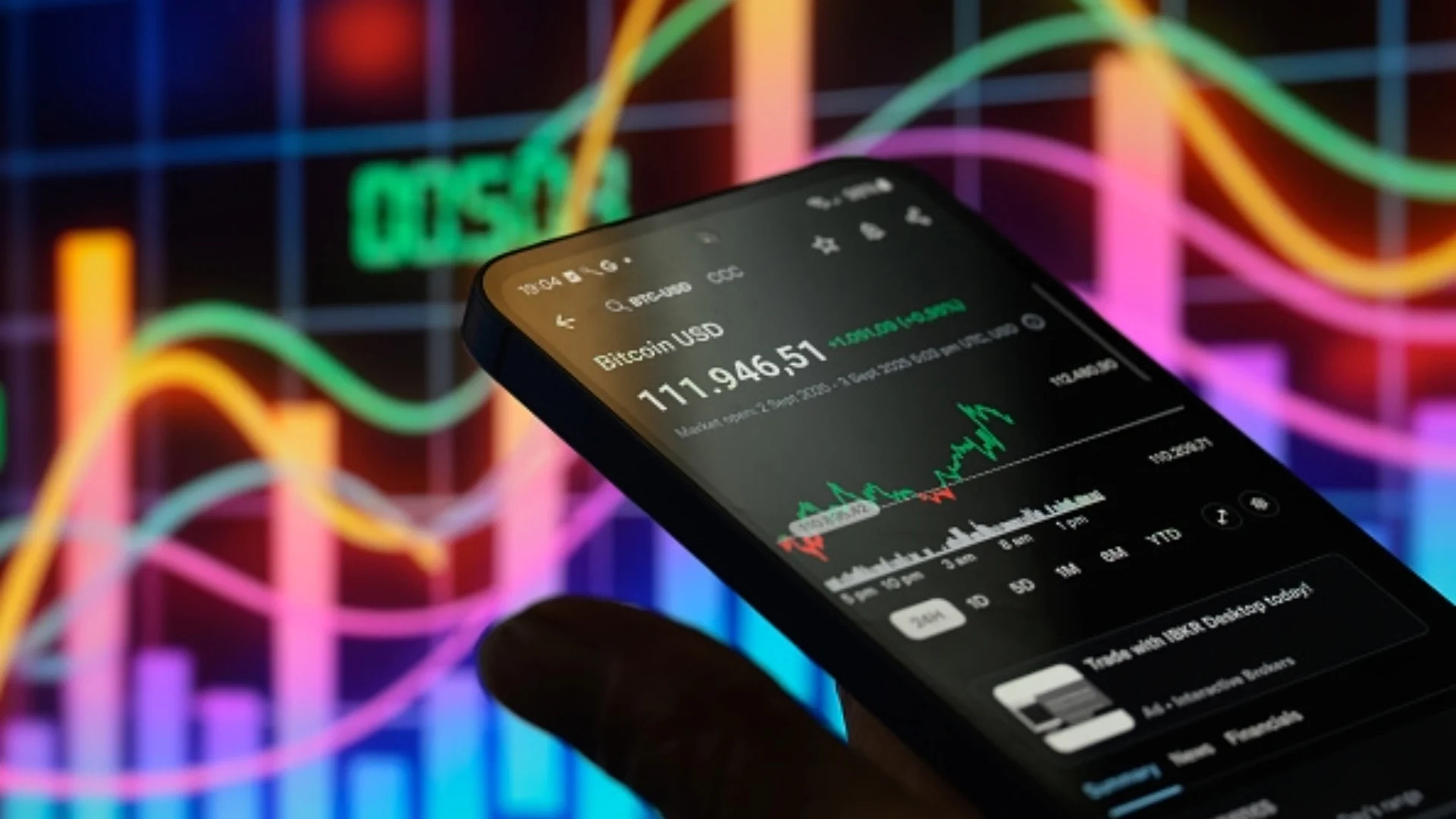
With this surge in market activity, the choice of crypto exchanges has never been more critical. Whether you are a new investor exploring digital assets or an experienced trader managing a diversified portfolio, selecting the right platform can determine not only your profitability but also the safety and convenience of your trades.
What Are Cryptocurrency Exchanges?
Cryptocurrency exchanges serve as digital marketplaces where users can buy, sell, and trade various cryptocurrencies. They act as intermediaries, connecting buyers and sellers while facilitating secure transactions across global markets.
In the early days of cryptocurrency, trading was a highly technical process that required users to manually send commands through blockchain terminals. This complexity limited mainstream adoption. Over time, however, companies began developing user-friendly interfaces and hosting online platforms to simplify trading and storage. These became today’s cryptocurrency exchanges.
Modern exchanges now operate similarly to traditional brokers. They provide trading pairs (such as BTC/USD or ETH/USDT), support multiple order types, and offer secure custodial wallets for user funds. Many exchanges have also expanded their services to include staking, lending, and derivatives markets, effectively transforming into full-fledged financial ecosystems.
However, as digital assets gained popularity, security breaches and fraudulent schemes also became more common. From the collapse of Mt. Gox to the FTX scandal, history has shown that not all platforms can be trusted. This makes due diligence — verifying an exchange’s legitimacy, licensing, and physical location — a critical step for every investor.
The best crypto exchanges in 2025 distinguish themselves by offering transparent fee structures, extensive coin listings, advanced trading tools, and, most importantly, robust security measures. To identify the leaders in this space, a team of analysts evaluated numerous platforms on criteria such as fees, accessibility, regulation, mobile usability, and customer trust.
Their research highlights five outstanding performers:
- Kraken — Best for Low Fees
- Gemini — Best for Security and Experienced Traders
- Coinbase — Best for Beginners
- Crypto.com — Best for Mobile and Bitcoin Trading
- BitMart — Best for Altcoins
Each platform excels in unique ways, appealing to different segments of the global crypto community. Below, we explore these exchanges in detail to help you make informed investment decisions in the evolving digital economy.
Kraken — Best for Low Fees
Founded in 2011, Kraken has long been regarded as one of the most reputable and transparent crypto exchanges. It remains the preferred choice for traders who prioritize low transaction costs without compromising on quality or functionality.
Kraken offers one of the industry’s most competitive fee structures, especially for spot and futures trading. With maker-taker fees starting at just 0.16% and 0.26% respectively, and volume-based discounts that reward active traders, Kraken provides an affordable environment for both casual and institutional participants.
One of Kraken’s defining advantages is its broad accessibility. The platform supports trading via web, desktop, and a powerful mobile app, as well as Kraken Pro, an advanced interface designed for professional traders who rely on complex order types and market depth analysis.
Kraken also places emphasis on education and research, offering resources that help investors understand both technical and fundamental aspects of cryptocurrency trading. While the exchange does not currently provide FDIC or SIPC insurance and lacks options trading capabilities, its reliability, transparency, and customer support continue to make it one of the most trusted names in the market.
For investors seeking a low-cost, high-performance exchange, Kraken remains the benchmark in 2025.
Gemini — Best for Security and Experienced Traders
Gemini, launched in 2014 by Cameron and Tyler Winklevoss, continues to set the standard for security and regulatory compliance in the cryptocurrency industry. The exchange is built around a philosophy of transparency, emphasizing strong internal controls, third-party audits, and a strict adherence to financial regulations.
In 2025, Gemini stands out as the most secure trading platform available. It employs a blend of cold storage, multi-signature wallets, and encryption protocols to safeguard client assets. Additionally, Gemini remains one of the few exchanges offering FDIC insurance on uninvested cash balances and digital asset insurance to protect users against specific types of loss or theft.
For experienced traders, Gemini’s ActiveTrader platform provides an exceptional set of tools — including advanced charting interfaces, customizable order books, and access to futures and perpetual contracts. This makes it a preferred destination for professionals seeking precision and liquidity.
However, Gemini’s conservative approach also comes with limitations. The platform supports a smaller selection of cryptocurrencies compared to competitors, and its fee structure can be complex. Nevertheless, for those who prioritize security and compliance over variety, Gemini’s reputation and performance make it a leading choice.
In a market increasingly defined by hacks, fraud, and regulatory scrutiny, Gemini’s commitment to trust and safety sets it apart as the gold standard for serious investors.
Coinbase — Best for Beginners
For individuals entering the cryptocurrency market for the first time, Coinbase remains the most beginner-friendly platform in 2025. Its clean user interface, transparent pricing, and educational content make it an excellent entry point into the world of digital assets.
Coinbase simplifies the trading experience through an intuitive dashboard that allows users to buy, sell, and store hundreds of cryptocurrencies with minimal effort. The exchange is also known for its strong regulatory standing and robust security infrastructure, providing confidence to newcomers who might still be wary of the risks associated with crypto investing.
What makes Coinbase particularly valuable is its educational ecosystem. Users can access tutorials, market updates, and “learn-to-earn” programs that reward them with small amounts of cryptocurrency for completing learning modules. This approach not only encourages financial literacy but also introduces users to new blockchain projects.
While Coinbase’s fees may be slightly higher than some competitors, its accessibility, multi-platform support, and customer assistance make it an ideal starting point. As users gain experience, they can easily transition to Coinbase Advanced, which offers more sophisticated trading tools without leaving the ecosystem.
For those just beginning their crypto journey, Coinbase offers the most reliable balance of simplicity, education, and trust available in 2025.
Crypto.com — Best Mobile App and Best for Bitcoin
In an increasingly mobile-driven world, Crypto.com stands out as the most advanced and accessible mobile trading platform for cryptocurrency investors in 2025. Established in 2016, the exchange has built a global reputation for its sleek mobile interface, extensive product offerings, and strong emphasis on Bitcoin trading and usability.
What sets Crypto.com apart is its all-in-one mobile ecosystem. Through its flagship app, users can buy, sell, and transfer cryptocurrencies instantly, monitor live market movements, and even spend their digital assets using the Crypto.com Visa Card. This feature allows customers to use crypto for everyday purchases while earning cashback rewards and other benefits — effectively bridging the gap between digital finance and real-world spending.
From a trading perspective, Crypto.com provides an extensive range of derivatives and spot markets, catering to both retail and institutional traders. Its support for Bitcoin options and futures positions it as a leader for Bitcoin-focused investors who seek exposure to advanced financial instruments.
Security and transparency remain central to Crypto.com’s operations. The exchange employs multi-factor authentication, cold storage solutions, and regular security audits to ensure the protection of user assets. Despite these strengths, the platform is available in fewer than 100 countries and relies primarily on chat-based support, which may be limiting for some users who prefer direct customer service.
Nonetheless, its competitive fees, user-friendly app, and comprehensive trading features make Crypto.com the go-to platform for traders who prefer to manage their portfolios on the move. For Bitcoin investors seeking flexibility, mobility, and strong infrastructure, Crypto.com continues to be a standout in 2025.
BitMart — Best for Altcoins
When it comes to altcoin diversity, BitMart takes the lead as the best crypto exchange for accessing a vast selection of emerging and lesser-known cryptocurrencies. Since its founding in 2017, BitMart has focused on expanding opportunities for traders who wish to go beyond mainstream assets like Bitcoin and Ethereum.
In 2025, BitMart offers access to over 1,700 digital currencies, making it one of the most comprehensive platforms available. This makes it especially attractive to adventurous investors searching for undervalued projects, niche tokens, or early-stage blockchain ventures.
While BitMart’s trading features are somewhat basic compared to premium exchanges, it compensates with innovative social trading options, including a copy-trading feature that allows users to mirror the strategies of experienced traders. The platform also provides BitMart Academy, an educational portal designed to help users understand the fundamentals of digital assets and trading strategies.
However, there are trade-offs. BitMart does not publicly display its full security infrastructure or fee structure, which may concern more cautious traders. The absence of fiat deposit options and insurance coverage also means that users must rely heavily on self-custody practices.
Despite these limitations, BitMart’s breadth of supported assets and commitment to educational empowerment make it the top choice for those eager to explore the altcoin ecosystem. For investors looking to diversify beyond the mainstream, BitMart offers opportunities that few other exchanges can match.
Where to Search for Reputable Crypto Exchanges?
Finding the right cryptocurrency exchange requires a combination of research and verification. Two of the most reputable resources for evaluating exchanges are CoinMarketCap and CoinGecko. These aggregator platforms provide real-time data on trading volume, liquidity, user traffic, and security metrics, helping investors compare exchanges objectively.
For traders in the United States and other regulated markets, it’s advisable to verify whether an exchange is registered with FINCEN (Financial Crimes Enforcement Network) or an equivalent national regulator. A legitimate platform will usually list its registration number, address, and compliance certifications on its website.
In contrast, decentralized exchanges (DEXs) operate without a central authority and are not registered with regulatory bodies. While DEXs provide greater privacy and autonomy, they also require a higher degree of technical understanding and personal responsibility.
The safest approach is to cross-check each exchange’s official registration, compare data across multiple sources, and ensure consistency between a company’s claims and verified records. In doing so, investors can avoid scams and identify platforms that align with their financial and security preferences.
Centralized vs. Decentralized Exchanges

Centralized Exchanges
Centralized cryptocurrency exchanges (CEXs) are the most common and widely used platforms in the digital asset ecosystem. They are managed by companies that act as intermediaries between buyers and sellers, much like traditional stockbrokers.
In a centralized setup, users deposit their funds—either fiat or cryptocurrency—into the platform’s custodial wallets. The exchange then facilitates transactions, provides liquidity, manages order books, and offers additional services such as staking, margin trading, and lending.
A key advantage of centralized exchanges is regulatory compliance. These platforms typically adhere to anti-money laundering (AML) and know-your-customer (KYC) regulations, which help protect investors and promote transparency. They also maintain partnerships with banks and financial custodians, carry crime insurance, and undergo routine third-party audits.
However, there are trade-offs. Users must trust the exchange to store their funds securely—a risk that has been highlighted by past collapses such as FTX. Moreover, because users don’t directly hold their private keys, they technically don’t have full control over their assets.
Despite these risks, centralized exchanges remain the preferred option for most traders, offering robust features, fiat gateways, customer support, and advanced trading infrastructure. For the majority of investors, a reputable centralized exchange offers the ideal balance of accessibility, functionality, and security.
Decentralized Exchanges
Decentralized exchanges (DEXs) represent the opposite philosophy of centralized platforms. They allow traders to exchange cryptocurrencies directly from one wallet to another using blockchain-based smart contracts, thereby eliminating intermediaries.
DEXs operate on public blockchains such as Ethereum, BNB Chain, Avalanche, and Polygon. Instead of matching buyers and sellers through a central system, they use algorithms known as automated market makers (AMMs) to maintain liquidity. Examples include Uniswap, PancakeSwap, Jupiter, and dYdX.
One of the main appeals of decentralized exchanges is user autonomy. Traders maintain full control of their private keys and assets at all times. This eliminates the risk of losing funds to exchange hacks or insolvency events. Additionally, DEXs often feature lower fees, global accessibility, and privacy, as users can trade without disclosing personal information.
However, DEXs come with challenges. They generally offer less liquidity, slower transaction times, and limited customer support. Moreover, since they are not regulated, there’s a higher chance of encountering fake tokens, rug pulls, and scam projects.
In essence, decentralized exchanges embody the true spirit of blockchain — freedom, privacy, and decentralization — but require technical expertise and risk awareness from users.
Are Crypto Exchanges Safe?
No exchange is 100% risk-free, but safety varies widely between platforms. The most secure exchanges typically feature:
- Cold storage for the majority of assets
- Bug bounty programs that reward ethical hackers for identifying vulnerabilities
- Regular third-party audits
- Insurance policies against cybercrime or theft
Centralized exchanges must comply with financial regulations, which helps protect users but doesn’t eliminate risk entirely. On the other hand, decentralized exchanges give users full control of their funds but shift all responsibility for security onto the individual.
For maximum protection, experienced traders often use a hybrid approach: trading on centralized exchanges for convenience, then transferring profits to cold wallets for long-term storage.
Which Exchange Is Best for You?
The best crypto exchange ultimately depends on your goals, trading style, and experience level:
- Beginners should consider Coinbase for its simplicity and educational tools.
- Experienced traders might prefer Gemini ActiveTrader or Kraken Pro for advanced analytics and order execution.
- Mobile users and Bitcoin-focused investors will find Crypto.com unmatched.
- Altcoin hunters should explore BitMart for its massive selection of tokens.
For most investors, using more than one exchange can provide flexibility and access to a broader range of markets.
The Bottom Line
As of late 2025, the global crypto exchange ecosystem has matured dramatically, offering hundreds of platforms across regions. While this abundance provides choice, it also requires careful evaluation.
The best exchanges balance security, usability, cost efficiency, and asset availability. Whether you prioritize low fees, advanced trading tools, or access to emerging coins, platforms like Kraken, Gemini, Coinbase, Crypto.com, and BitMart consistently stand out in their respective categories.
Ultimately, successful crypto trading begins with informed decision-making. Always conduct thorough research, understand each platform’s strengths and limitations, and never invest more than you can afford to lose. By following these principles, investors can navigate the fast-evolving cryptocurrency market with confidence and security.