
When managing multiple crypto wallets, you can increase portfolio diversification and lower the dangers associated with keeping all of your money in one location by distributing your assets throughout several wallets. Managing several wallets also enables you to divide assets according to their intended use, which promotes organization and financial clarity.
So, let’s look at the best practices for managing cryptocurrency wallets, such as their sorts, the advantages of having numerous crypto wallets, and concrete tactics for managing them effectively.

What is A Cryptocurrency Wallet?
A cryptocurrency wallet is a digital instrument for storing, sending, and receiving coins. Wallets store the private keys required to access your digital assets on the blockchain, making them an essential component of cryptocurrency administration.
While wallets do not hold actual cryptocurrencies (which stay on the blockchain), they do serve as gateways to your money.
Types of Cryptocurrency Wallets?
| Wallet Type | Description | Advantages | Disadvantages | Examples |
| HotWallet | Software installed on computers; it balances usability and security. | Easy to use; instant access to funds. | Vulnerable to hacking and phishing attacks. | MetaMask, Phantom |
| ColdWallet | Offline wallets; best for long-term storage and higher security. | Extremely secure; not exposed to online threats. | Less convenient for frequent transactions. | Trezor,Ledger |
| DesktopWallet | Printed keys or QR codes offer offline storage but are less user-friendly. | User-controlled; accessible without the internet. | Susceptible to malware and system crashes. | Exodus,Atomic Wallet |
| MobileWallet | Apps for smartphones;convenient for on-the-go transactions. | Portable; supports QR code transactions. | Risk of theft or loss with the device. | Trust Wallet, Coinbase |
| PaperWallet | Printed keys or QR codes; offers offline storage but is less user-friendly. | Immune to online attacks. | Fragile; easily damaged or lost. | Custom generated keys |
Why Should You Have Multiple Crypto Wallets?
Why should you manage many cryptocurrency wallets rather than just one? Having more than one wallet has several strategic benefits. Let’s look at the benefits of having numerous Bitcoin wallets.
1. Enhanced Security
Distributing assets across multiple wallets reduces the chance of losing all monies during a security breach. This method is similar to avoiding putting all of your eggs in one basket. If one wallet is compromised, the others may stay secure, protecting some of your funds.
Consider using one wallet just for high-value, long-term investments and another for daily trading. If the trading wallet is hacked, your long-term investments are safe and intact.
2. Portfolio Diversification
Diversification is not only for investments; it should also be reflected in your own finances. Storing many cryptocurrencies in dedicated wallets mitigates the impact of potential losses related to a single wallet or currency.
You can store Bitcoin in a hardware wallet for security, Ethereum in a software wallet for convenience, and smaller altcoins in a hot wallet for frequent trading.
3. Organization and Financial Clarity
Separating assets by purpose enhances financial management. With separate wallets for savings, trading, and decentralized app (dApp) interactions, you can easily track your transactions.
This organization helps to avoid confusion, particularly during tax season or when analyzing the performance of your portfolio.
For example, a dApp wallet for DeFi activities may receive dozens of transactions every day. Isolating it from your savings wallet allows you to keep clear records and reduce clutter.
4. Backup and Accessibility
If one wallet becomes inaccessible due to technical issues or a loss of login credentials, you can still access your assets in other wallets. This redundancy ensures that you do not lose all of your digital assets due to a single failure.
Best Practices for Managing Multiple Crypto Wallets
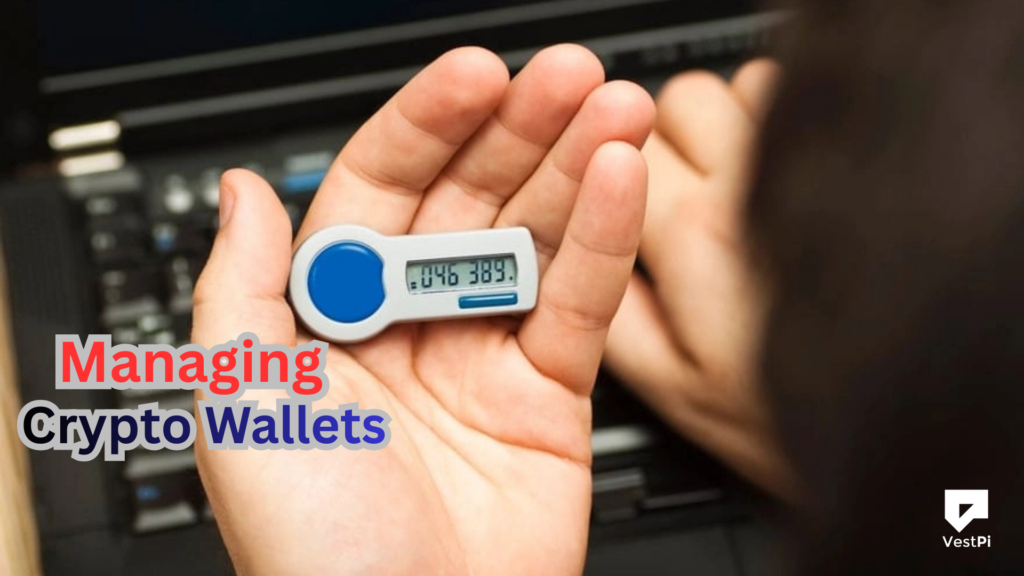
Managing several bitcoin wallets involves strategic security and organization. Here’s a comprehensive tutorial to assist you in overcoming the intricacies of managing several wallets:
1. Choose the Right Wallets
- Diversity in Wallet Types: To balance convenience and security, use both hot wallets for daily transactions and cold wallets for long-term storage.
- Reputable Providers: Choose recognized wallet providers for reliable and secure features.
2. Secure Your Wallets
- Strong, Unique Passwords: Ensure each wallet has a unique and strong password. Consider utilizing a password manager to keep track of your passwords.
- Two-Factor Authentication (2FA): Enable Two-Factor Authentication (2FA) on wallets that allow it for additional security.
- Regular Updates: Update your wallet software regularly to prevent new vulnerabilities.
- Use Secure Devices: Avoid accessing wallets from shared or public devices.
3. Organize Your Assets
- Purpose-Based Distribution: Distribute wallets according to their purpose, such as trading, savings, or everyday spending.
- Label and Document: Clearly label each wallet and retain complete records of its use, including addresses and major transactions.
4. Regular Monitoring and Audits
- Check Balances Frequently: To identify any unwanted activity early, check each wallet’s balances and transactions on a regular basis.
- Conduct Security Audits: Make sure your wallet configurations and security procedures are still working by reviewing them on a regular basis.
5. Backup and Recovery
- Secure Backups: Create encrypted wallet data backups and keep them in several safe places.
- Recovery Plans: Make sure you have a well-defined and tried-and-true strategy for retrieving your wallets in the event that your device malfunctions or is lost.
6. Stay Informed
- Learn: Keep abreast of the most recent developments in wallet management and cryptocurrency security.
- Watch for Phishing: Keep an eye out for phishing attempts and dubious sites, particularly those that seem to be from wallet providers.
Conclusion
At first, managing several cryptocurrency wallets may seem overwhelming, but with the correct strategy, it can be an effective tool for maximizing your experience.
Having several cryptocurrency wallets is essential for anyone wishing to improve their crypto security and management, not just a tactic for experienced users.
You may reduce the complexity of managing many wallets and concentrate on optimizing your cryptocurrency chances by utilizing tools and adhering to best practices.